Archives
- 2026-10
- 2026-09
- 2026-08
- 2026-07
- 2026-06
- 2026-05
- 2026-04
- 2026-03
- 2026-02
- 2026-01
- 2025-12
- 2025-11
- 2025-10
- 2025-09
- 2025-03
- 2025-02
- 2025-01
- 2024-12
- 2024-11
- 2024-10
- 2024-09
- 2024-08
- 2024-07
- 2024-06
- 2024-05
- 2024-04
- 2024-03
- 2024-02
- 2024-01
- 2023-12
- 2023-11
- 2023-10
- 2023-09
- 2023-08
- 2023-07
- 2023-06
- 2023-05
- 2023-04
- 2023-03
- 2023-02
- 2023-01
- 2022-12
- 2022-11
- 2022-10
- 2022-09
- 2022-08
- 2022-07
- 2022-06
- 2022-05
- 2022-04
- 2022-03
- 2022-02
- 2022-01
-
br Patients and methods br Results
2022-07-26
Patients and methods Results Discussion The positivity of serum anti-HBc is the most commonly used marker to confirm the history of HBV infection. Quantification of serum anti-HBc has been explored as a marker of HBV-induced hepatitis and the adaptive immune response against HBV infection a
-
br Rho protein networks in
2022-07-26
Rho protein networks in malignancy It has long been recognized that Rho activity and expression are frequently elevated in tumors (Fritz et al., 1999, Orgaz et al., 2014). In this chapter we will introduce the most prominent Rho proteins, their regulators and effectors and provide an overview of
-
Cells undergoing EMT display a downregulation of E
2022-07-26
Cells undergoing EMT display a downregulation of E-cadherin and dissociation of their junctional complexes that associates cell-cell contacts with the Clofazimine cytoskeleton, known as the adherens junction (Berx and van Roy, 2009, Birchmeier and Behrens, 1994). Adherens junctions are specialized
-
ssr distributors By combining the results of the melting cur
2022-07-26
By combining the results of the melting curve analysis of exon 5 and exon 6, the allelic setup of our 250 subjects was determined; the four allelic variants are shown in Table 1. However, GSTP1-1 *A/*C and GSTP1-1 *B/*D could not be distinguished from one another because both genotypes are character
-
LY2409881 br Introduction Activation of the lipid sensing re
2022-07-26
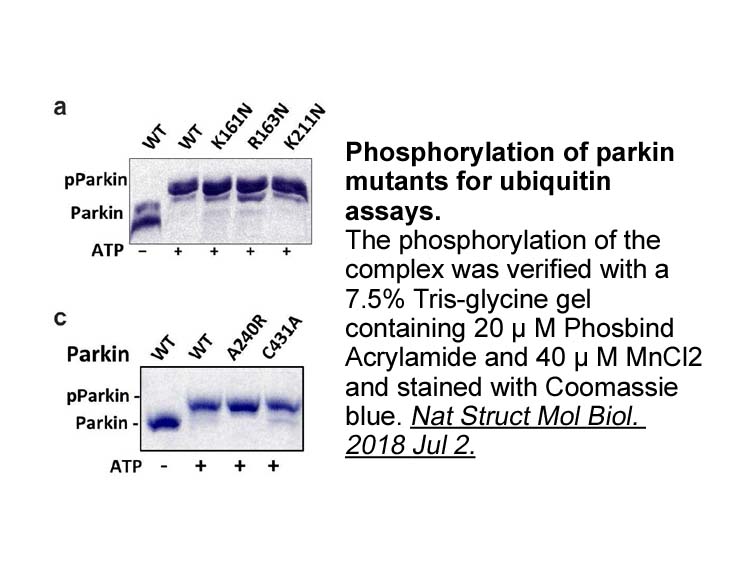
Introduction Activation of the lipid sensing receptor, GPR55, by lysophosphatidyl inositol (LPI) has been well documented, and implicated in endocannabinoid signaling [1]. Intracellular events resulting from GPR55 activation include; enhanced β-arrestin activity, calcium mobilization and ERK1/2 p
-
GPR and TRPV co localized in small
2022-07-26
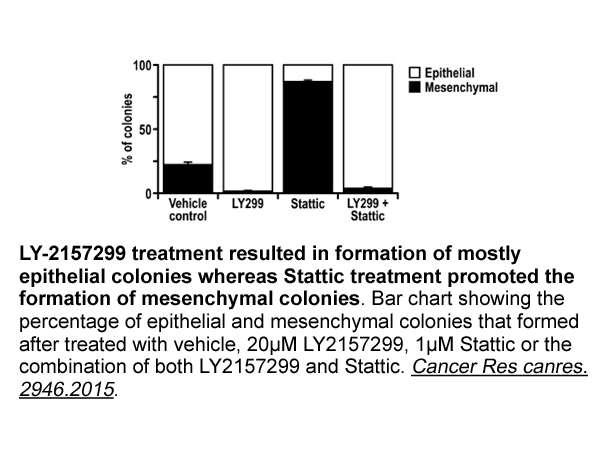
GPR35 and TRPV1 co-localized in small- and medium-diameter DRG neurons. Nociceptive (Aδ- and C-fiber) neurons expressing TRPV1 mediate hyperalgesia, neurogenic inflammation, and neuropathic pain [12]. The cAMP-protein kinase A (PKA) dependent modifications of TRPV1 currents have been demonstrated in
-
Lean mass is representative of the muscle tissue mass
2022-07-26
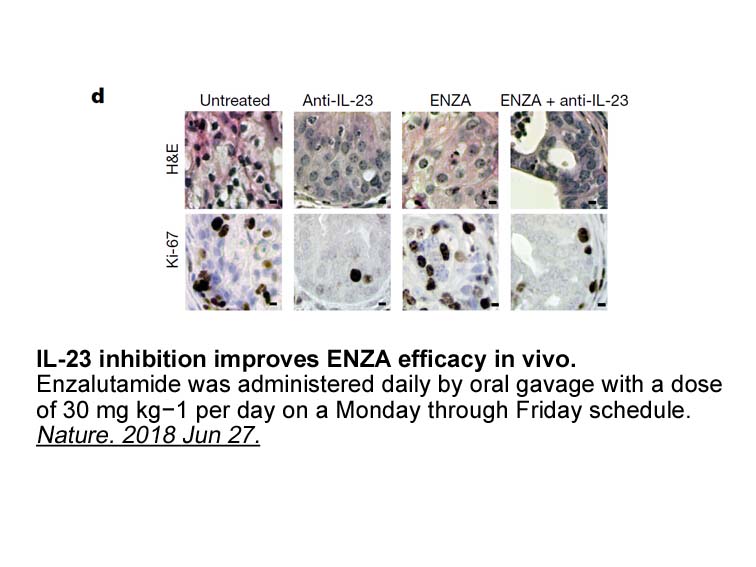
Lean mass is representative of the muscle tissue mass equivalent of all the body parts containing water, excluding fat, bone minerals, and such substances which do not contribute to the NMR signal, such as hair, claws, etc. (ECHO-MRI (Houston, TX) user's manual). It was interesting that in the Bob-
-
Compound was synthesized starting from cyclopropyl glycine A
2022-07-26
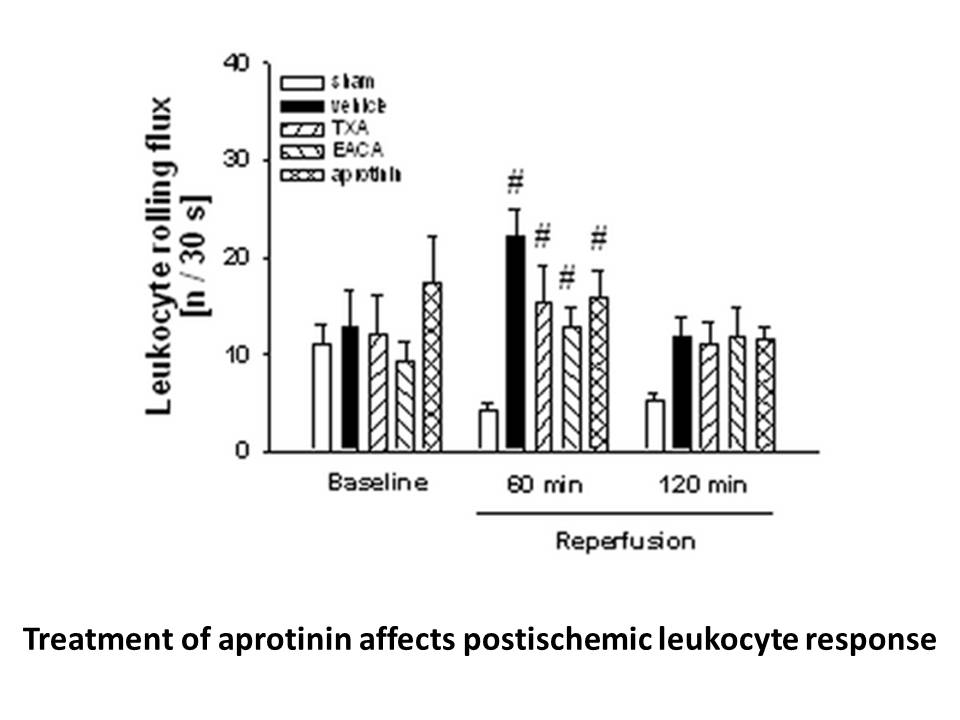
Compound was synthesized starting from α-cyclopropyl glycine (). After protection of the free amine via methyl carbamate and esterification to the methyl ester, the pyrrolidine core was furnished by condensation with methyl acrylate under basic conditions. Double deprotonation of the pyrrolidine fo
-
In addition to these effects on metabolic
2022-07-26
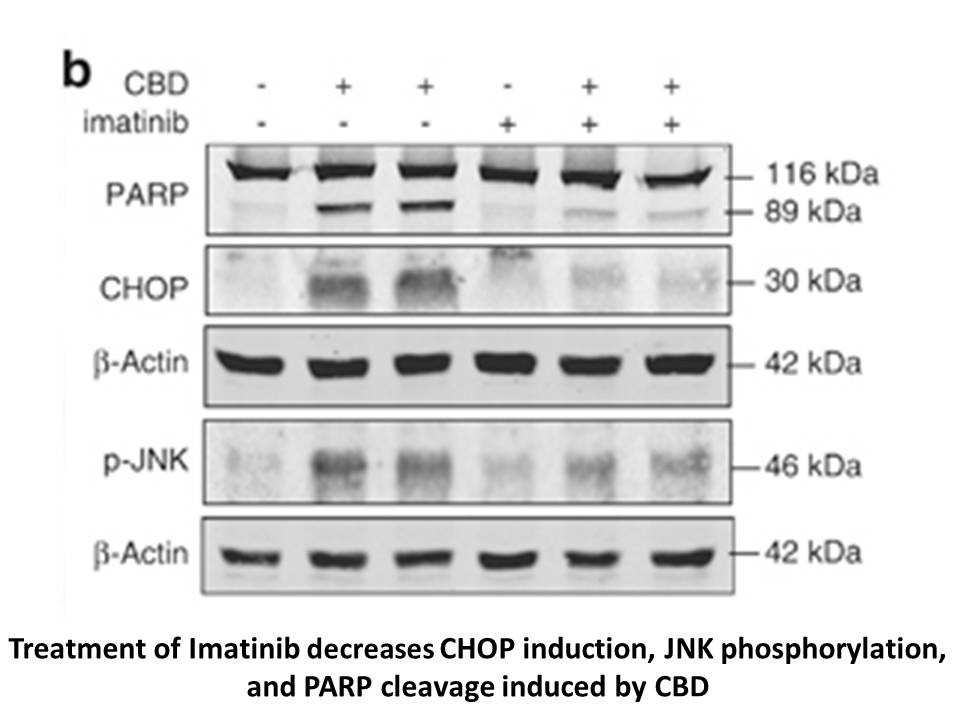
In addition to these effects on metabolic function in cardiac cells, this study also demonstrates changes in the expression of hypertrophic genes and proteins subsequent to GPR119 activation. Again this occurred in a distinct pattern dependent on palmitate exposure. Of interest SOCS3 mRNAs were decr
-
GPR A a G protein
2022-07-26
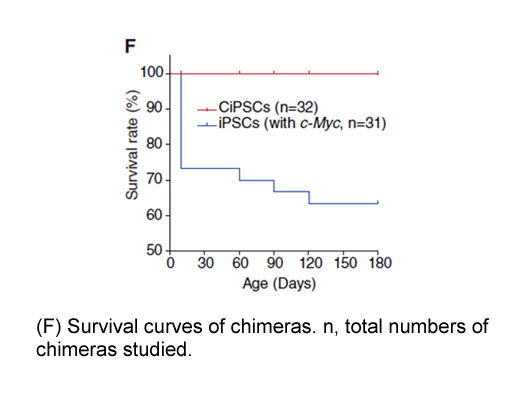
GPR109A, a G-protein-coupled receptor located mainly on adipocyte cell membranes, has been identified as the molecular target for nicotinic DLPC [[5], [6], [7]] and mediator of NEFA reduction [5]. As a mechanism of NEFA-lowering, it is recognized that activation of GPR109A leads to Gi-mediated inhib
-
This evidence suggests that the human cochlea
2022-07-26
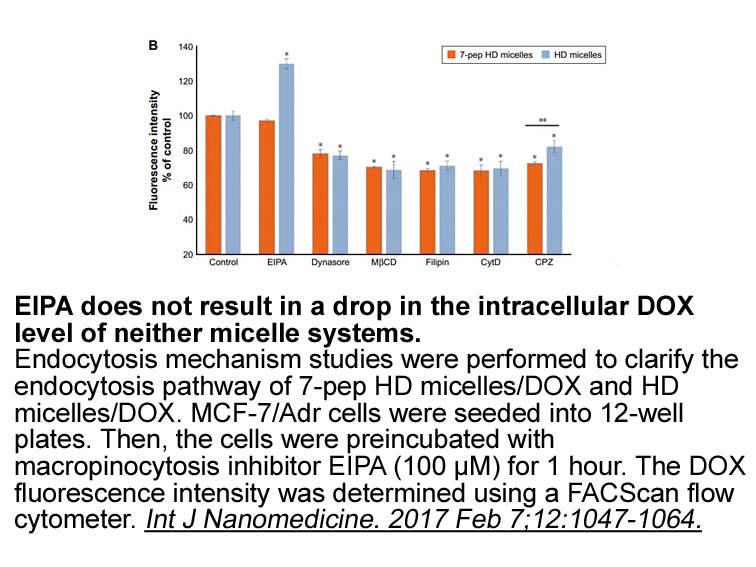
This evidence suggests that the human cochlea is equipped with antigen presenting macrophages as well as T lymphocytes that execute cytotoxic and immune mediation function. In an animal study, following acoustic overstimulation, Yang et al. (2015) found infiltration of macrophages into the region of
-
Neurotransmitter transporters are rapidly recycled
2022-07-26
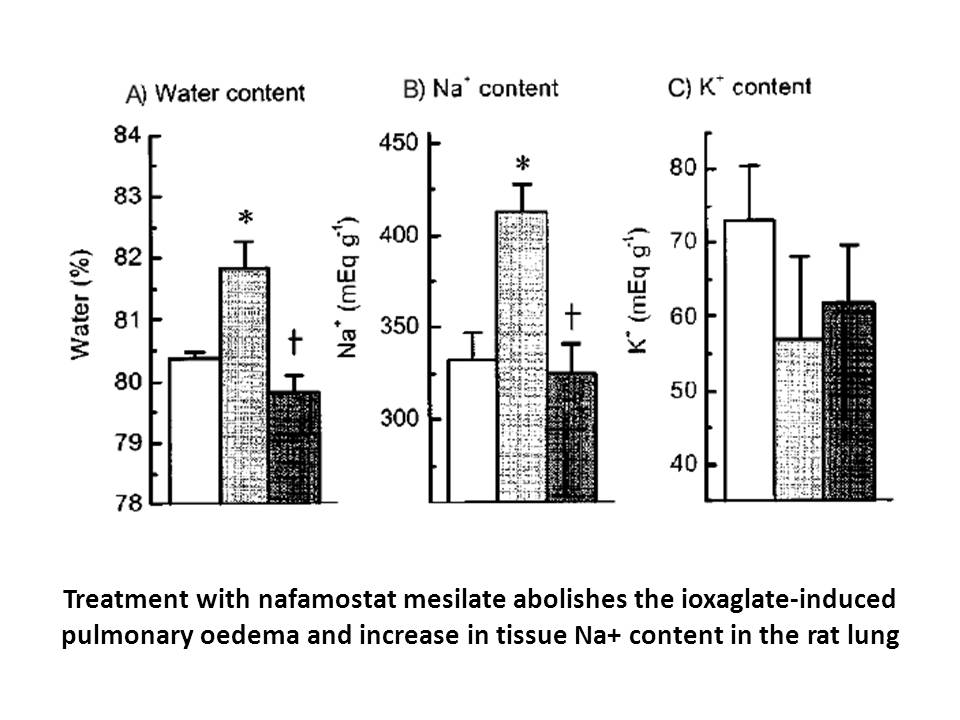
Neurotransmitter transporters are rapidly recycled from and to the membrane. For instance, the GABA transporter GAT1 is recycled in a calcium and depolarization dependent manner. GAT1 located in the plasma membrane is internalized to a subpopulation of small vesicles different from the classical neu
-
Nano SiO was a kind of versatile material for
2022-07-25
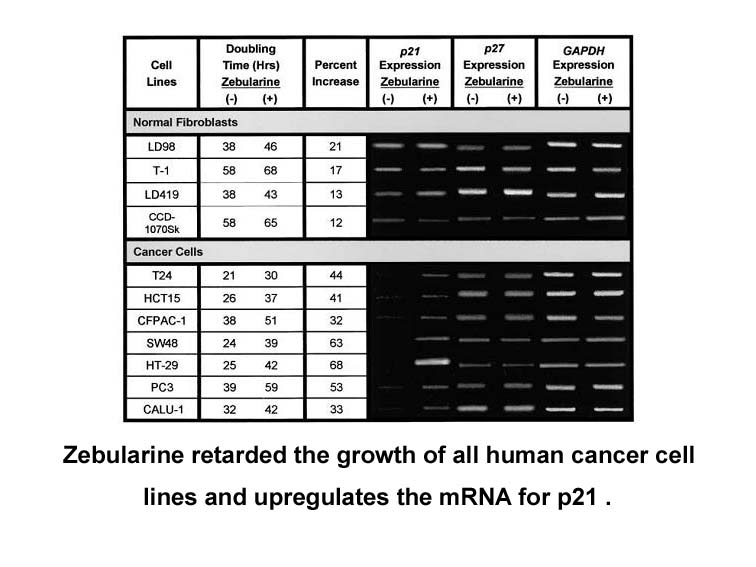
Nano-SiO2 was a kind of versatile material for enzyme immobilization because of its excellent properties, including low cost, lack of toxicity, high stability, large specific surface area and high biocompatibility [10]. After the immobilization on nano-SiO2, the selectivity of enzymatic reactions wo
-
AT7519 With the advent of genome sequencing
2022-07-25
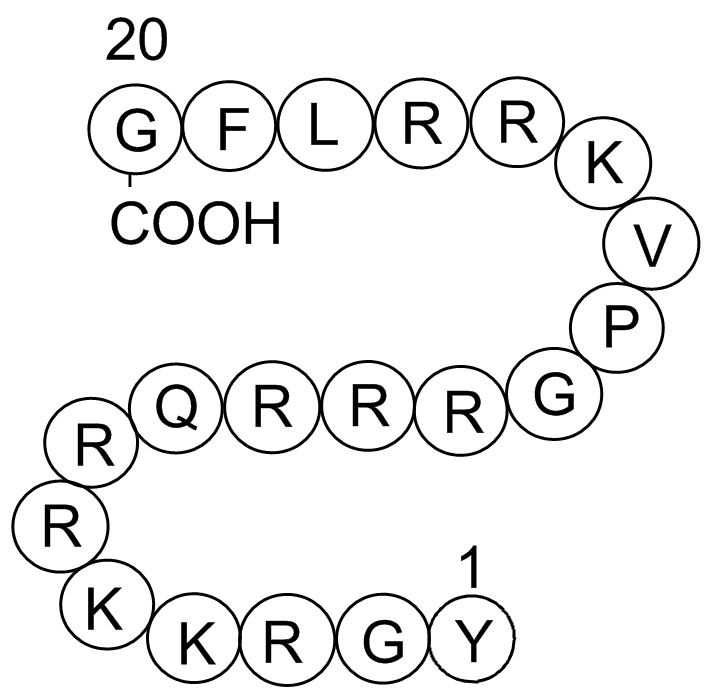
With the advent of genome sequencing, hexokinase gene sequences are now available from a far greater number of vertebrate species, as well as from diverse non-vertebrate animal species. As indicated above, searches of vertebrate genome sequences revealed the existence of a novel fifth member of the
-
After the origin of the family of genes
2022-07-25
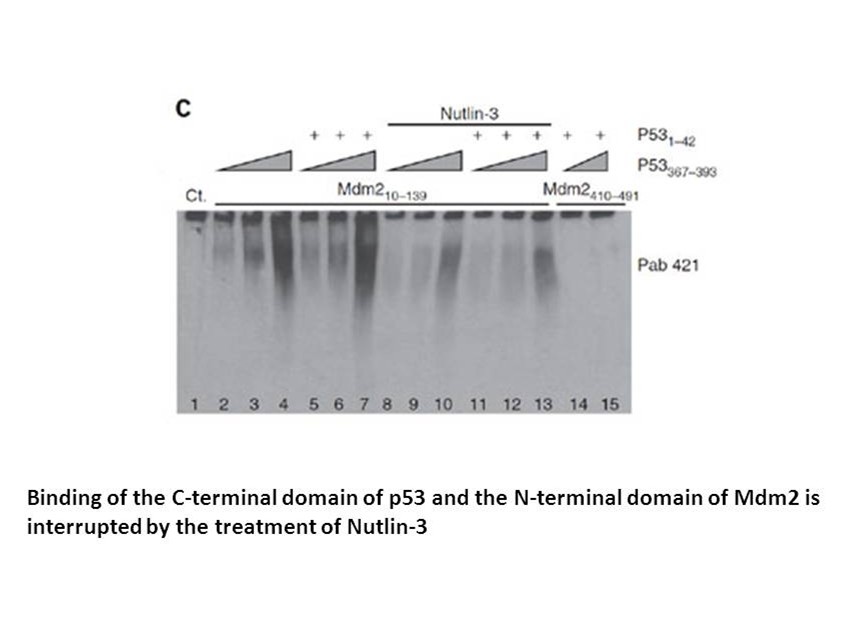
After the origin of the family of genes for receptors for peptides similar to glucagon, the genes have not remained static. Not only have their sequences evolved, but also like peptides similar to glucagon (Irwin, 2001, Irwin, 2009, Irwin, 2012, Ng et al., 2010, Hwang et al., 2013), the numbers of g
8596 records 451/574 page Previous Next First page 上5页 451452453454455 下5页 Last page